Procurement platform with AI vendor comparison
A B2B procurement platform for managing technical procurement, comparing vendor quotes and using AI to support better-informed decisions.
- Client
- Confidential B2B client
- Role
- Product Designer, UX & UI
- Industry
- B2B Procurement
- Platform
- Web app
- Year
- 2024
- Status
- Delivered for development
At a glance
Scope
- User flows
- Information architecture
- UI design
- Component library
Problem
Technical specifications, supplier communication and purchase orders were spread across large Excel files, making procurement difficult to track and compare.
Approach
Turn spreadsheet-heavy workflows into structured, scannable tables, then use AI to surface differences between vendors and explain the recommendation.
Delivered
End-to-end UX and UI for the web platform, including procurement workflows, vendor comparison and a reusable component system.
01
Challenge
Engineers and procurement teams work with large amounts of technical data: specifications, supplier responses, purchase orders and planning information.
Much of that work was managed through complex Excel files with dozens of columns and multiple sheets. The data existed, but understanding the current state of a procurement package, and comparing vendors confidently, required too much manual effort.
The challenge was to preserve the depth of that information without carrying the complexity of the spreadsheet into the product.
Fig. 01
From procurement package to decision
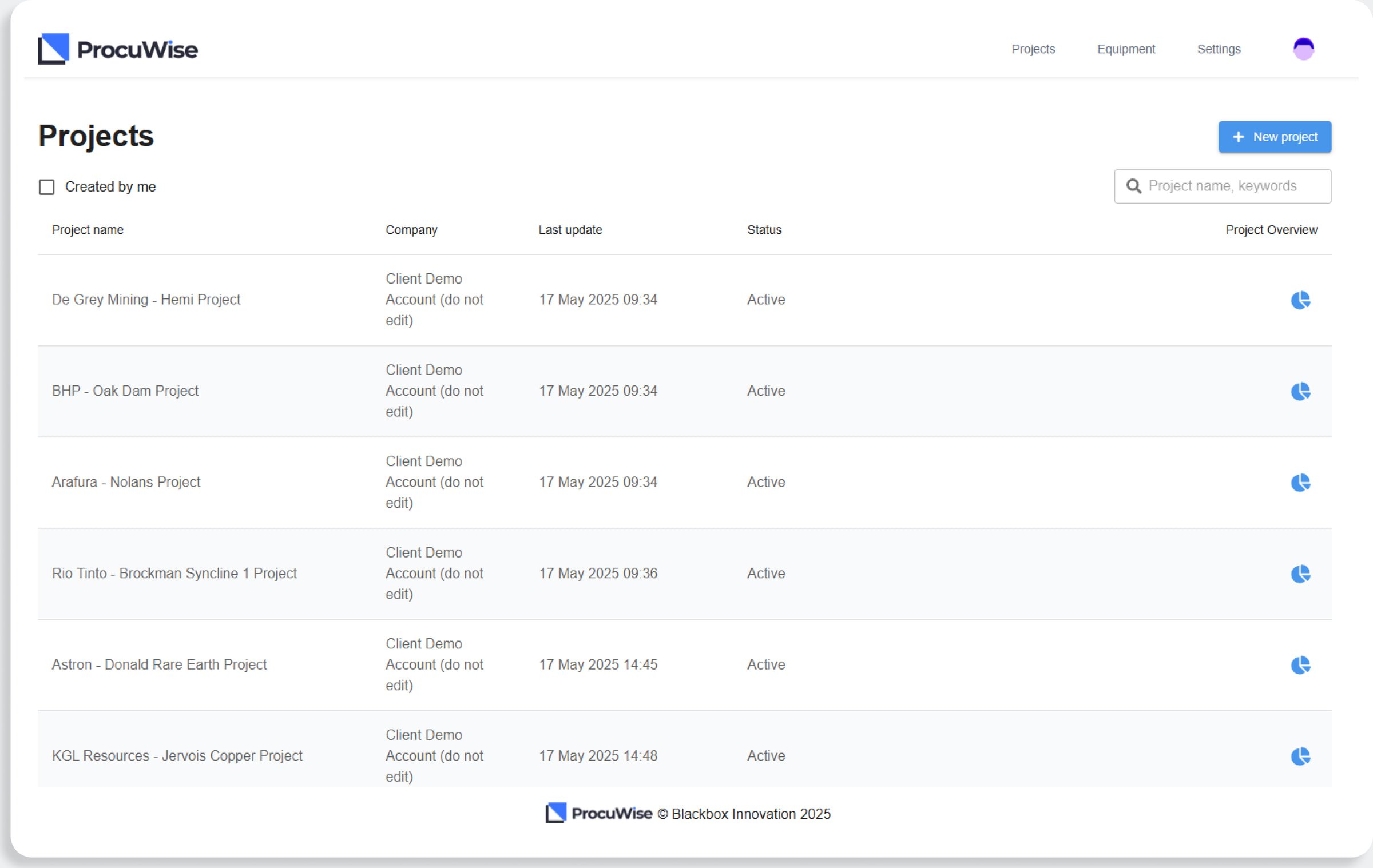
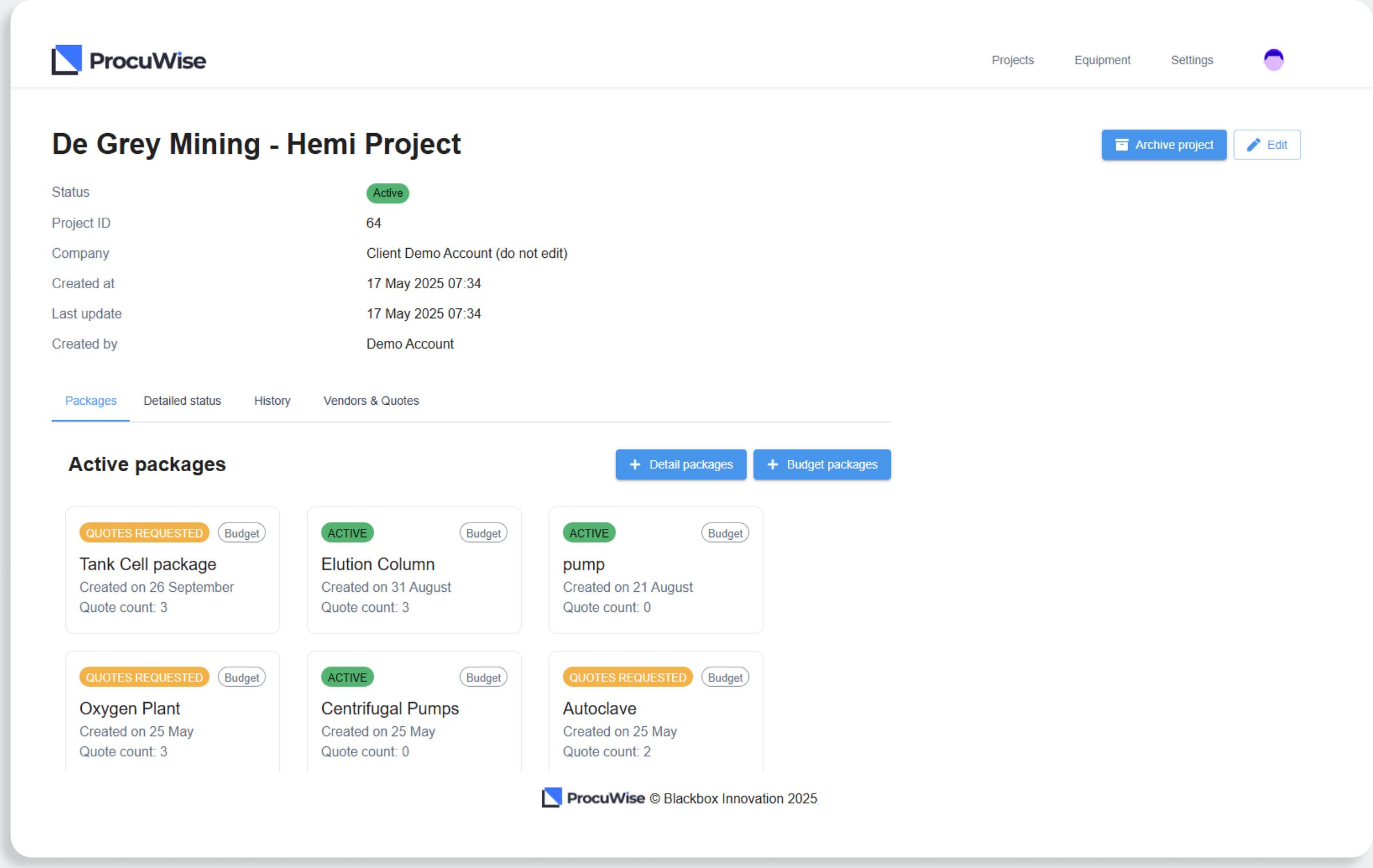
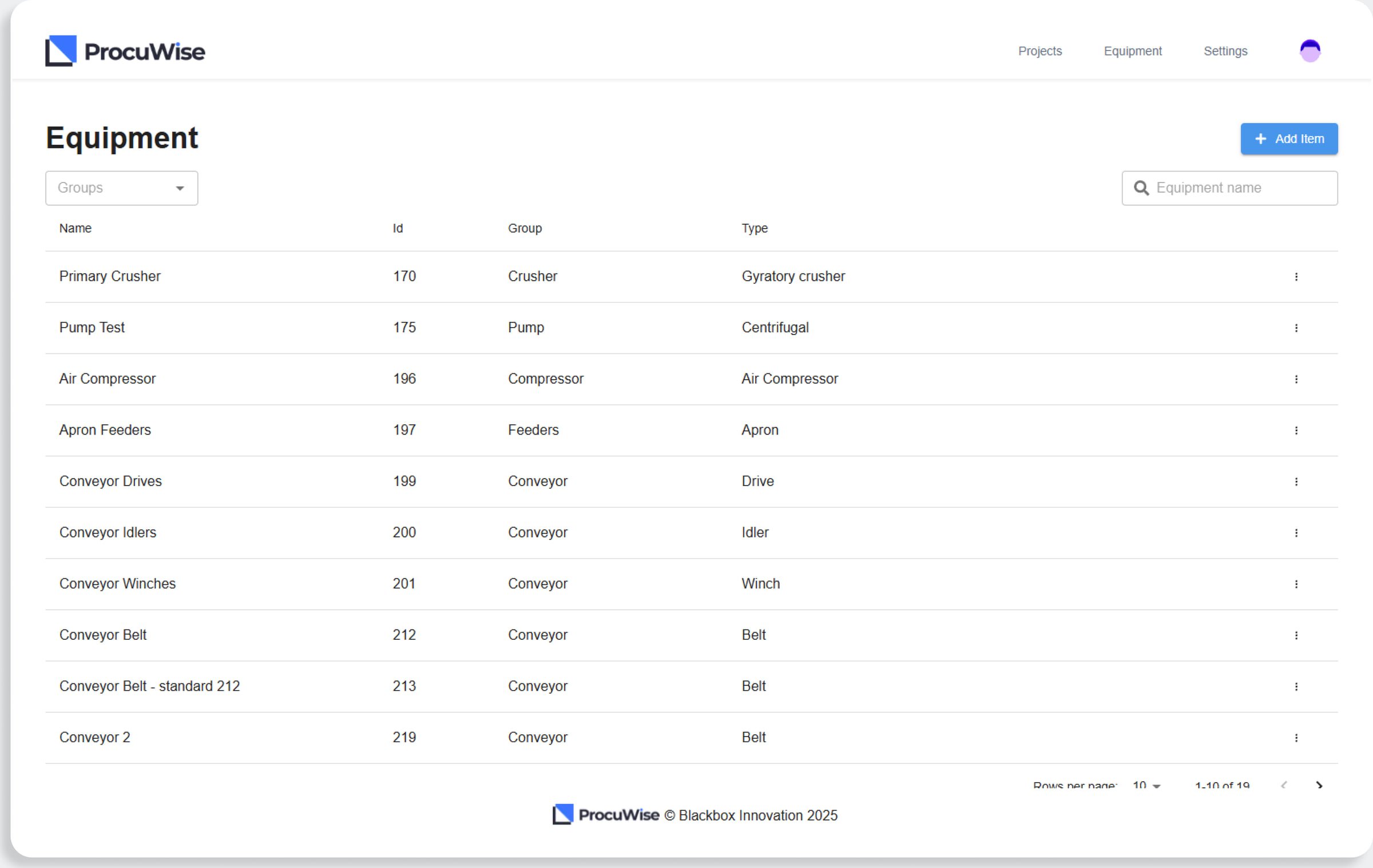
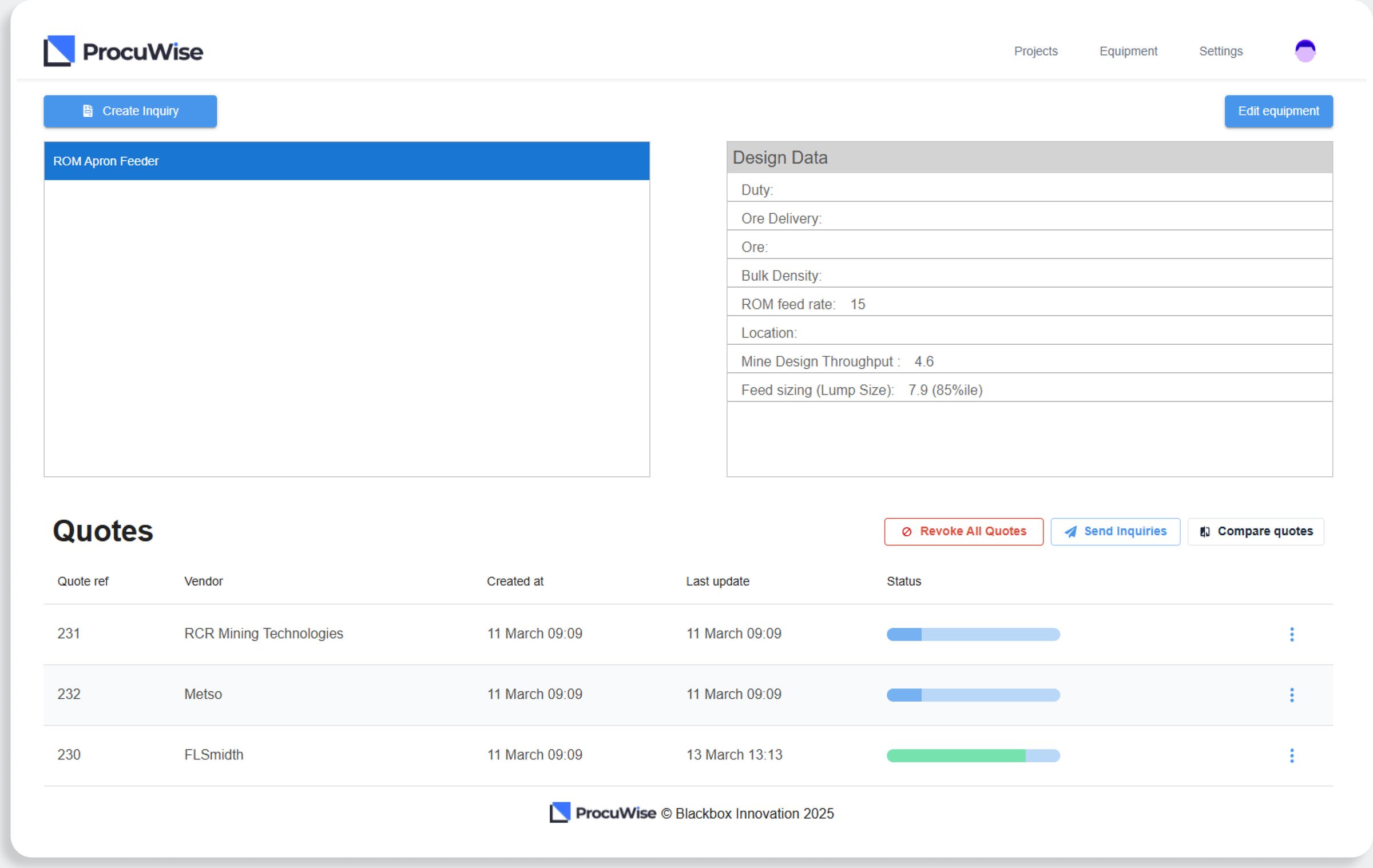
The platform follows the way procurement actually runs: a project holds packages, packages hold equipment, equipment collects vendor quotes, and those quotes end in a comparison the team can defend.
- 01
Projects
- 02
Packages
- 03
Equipment
- 04
Vendor quotes
- 05
Comparison
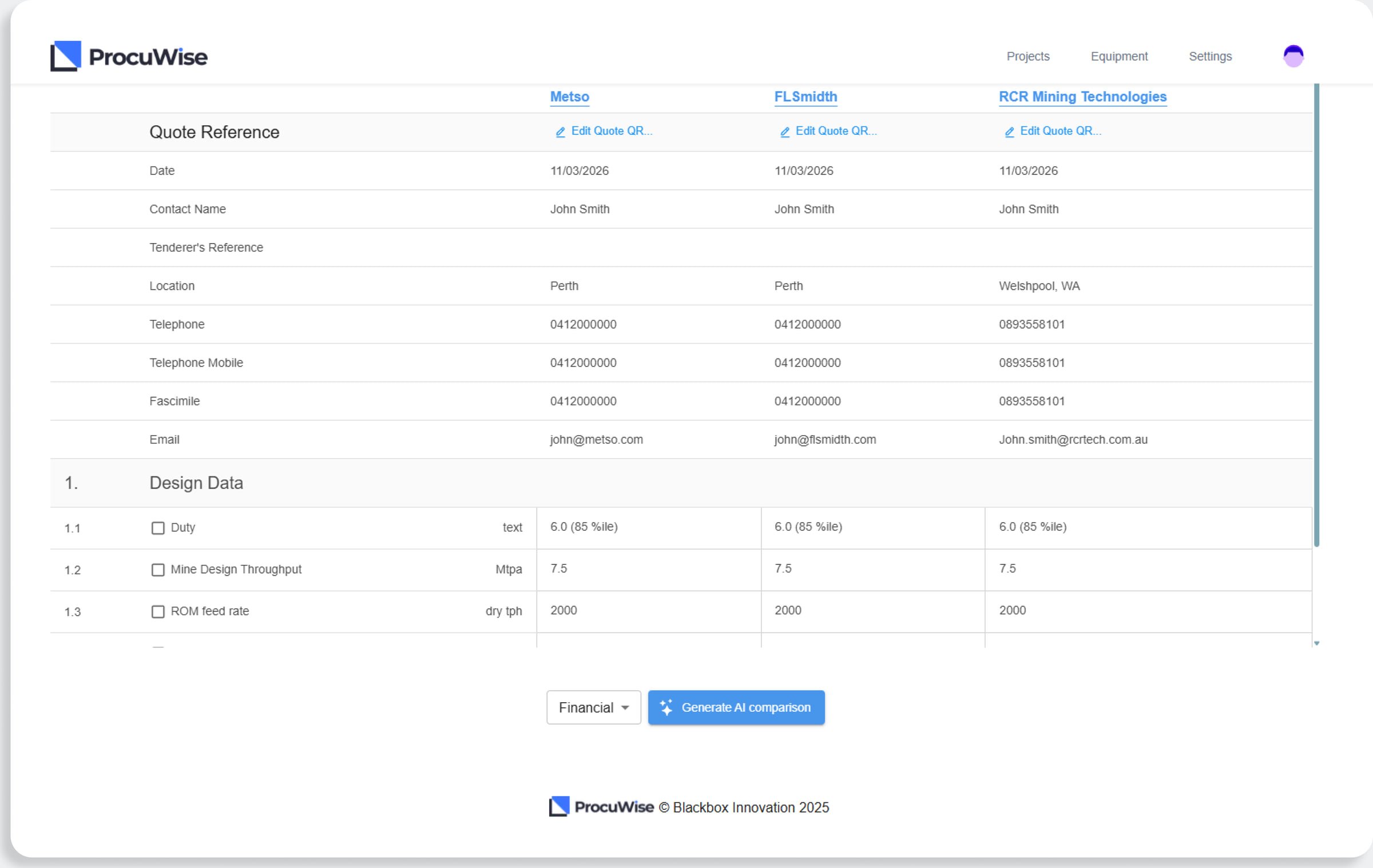
The same five steps carry through the interface, so people always know where they are in a package.
02
Solution
The solution was to give procurement teams the structure of a purpose-built product without losing the depth of information they relied on in spreadsheets.
Projects, equipment, supplier responses and quote data are organised into predictable views, making it easier to understand what has been received, what is missing and what requires attention.
The AI comparison adds a decision-support layer on top of that structure. Instead of producing a recommendation without context, it compares selected criteria and exposes the reasoning behind the result.
03
My role
I led the product design from workflow definition through high-fidelity UI and development handoff.
- Mapping the core procurement flows
- Structuring the platform's information architecture
- Designing dense data and comparison experiences
- Defining the AI-assisted vendor comparison flow
- Building reusable UI patterns and components
- Preparing the product for development handoff
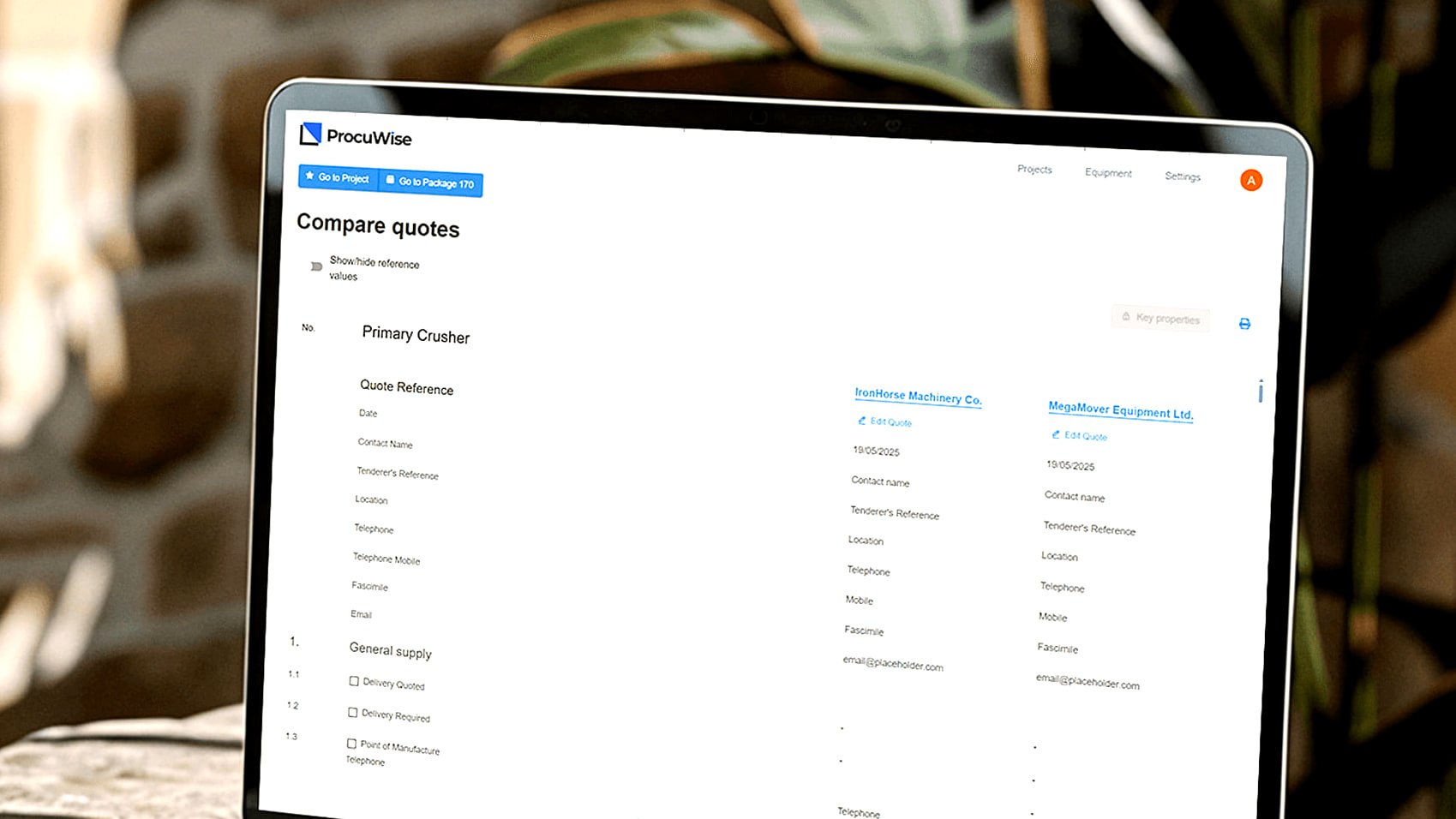
- 01Vendors sit side by side in fixed columns
- 02Technical criteria stay aligned across all three
- 03Reference values can be shown or hidden
- 04The AI comparison runs from this same context
Fig. 02Quote comparison, the screen the whole product builds towards.
04
Key design decisions
- 04.1
Dense tables that stay easy to read
Procurement teams need depth, not simplified dashboards that hide important information. The challenge was to keep large technical datasets visible while introducing enough hierarchy, alignment and whitespace for users to compare values quickly.
- 04.2
An AI comparison people can trust
A recommendation is only useful if users understand where it came from. Rather than treating AI as a black box, the comparison keeps the underlying vendor data visible and connects the recommendation back to the criteria being evaluated.
- 04.3
Keeping comparison in one workflow
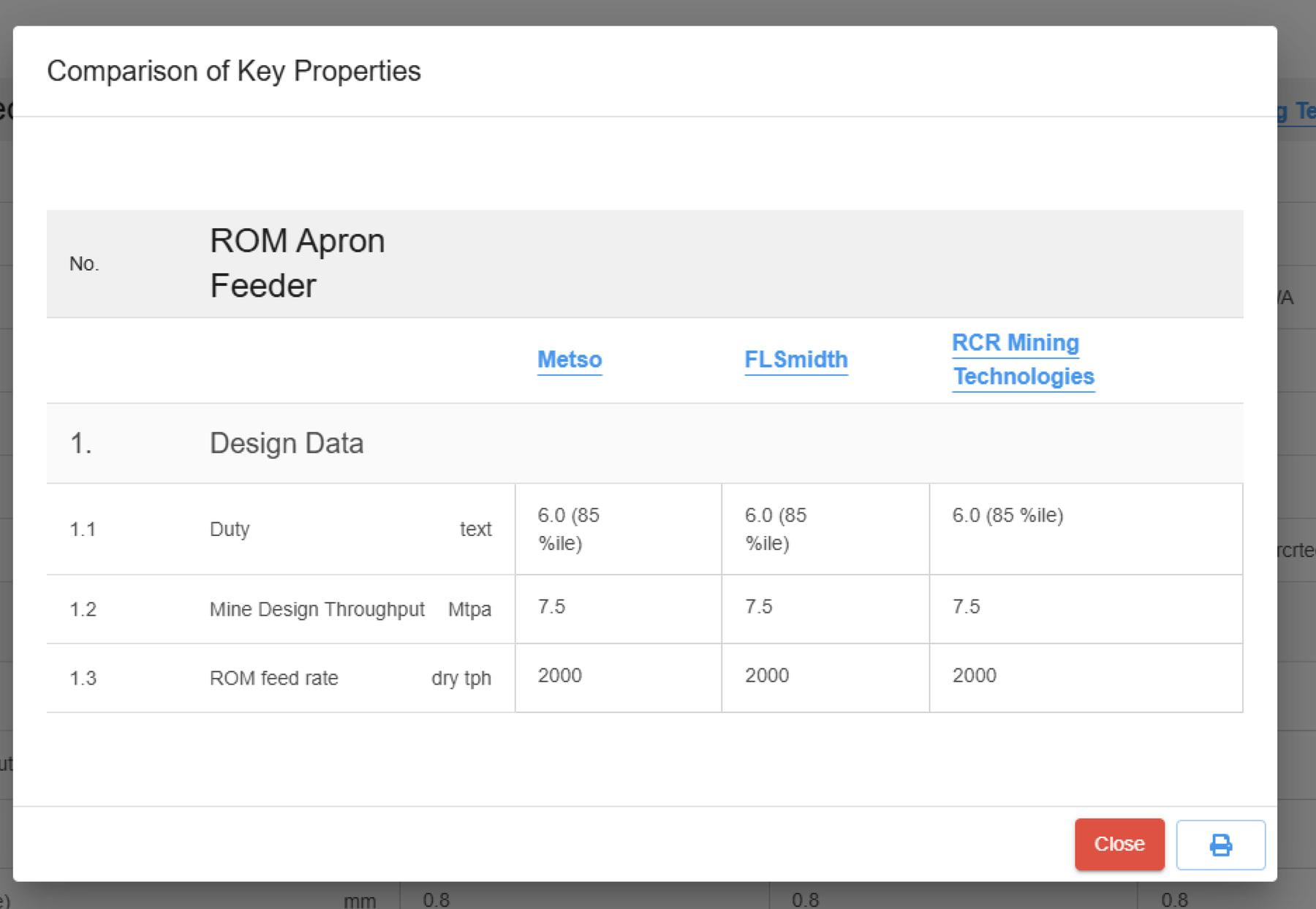
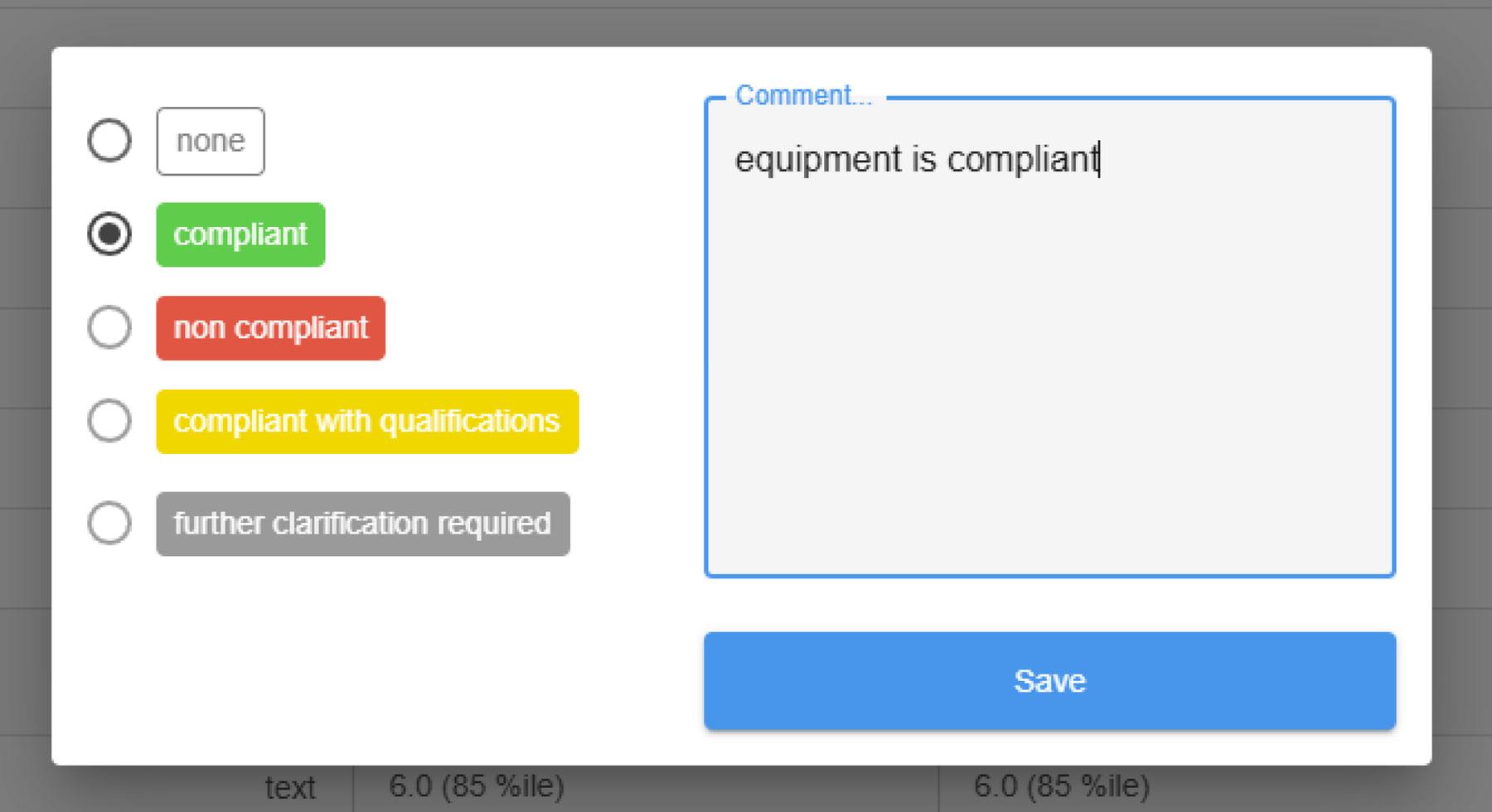
Vendor review previously meant moving between spreadsheets, supplier information and individual criteria. I designed the comparison flow so users could review data, select key properties, record compliance and generate a comparison without leaving the same working context.
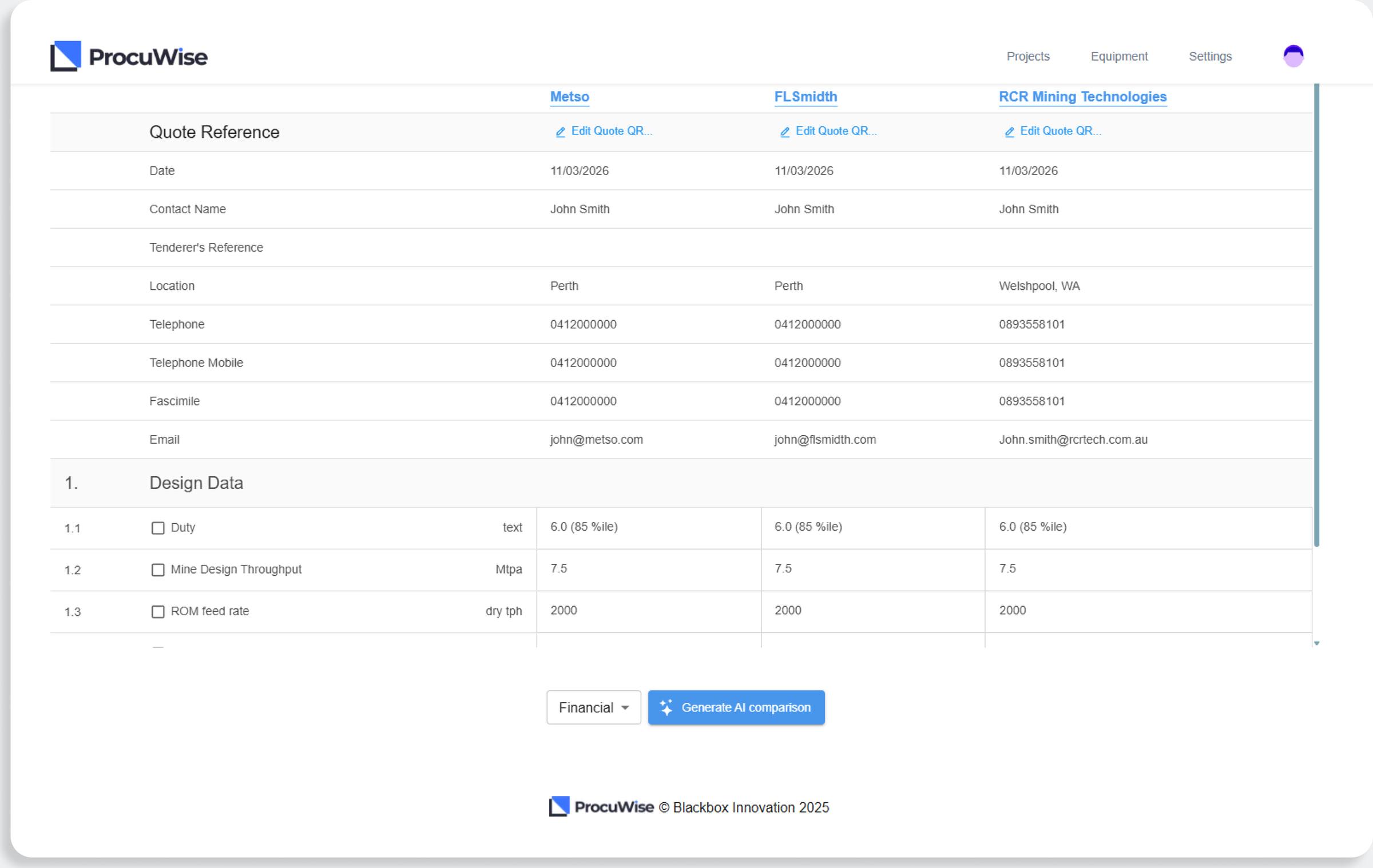
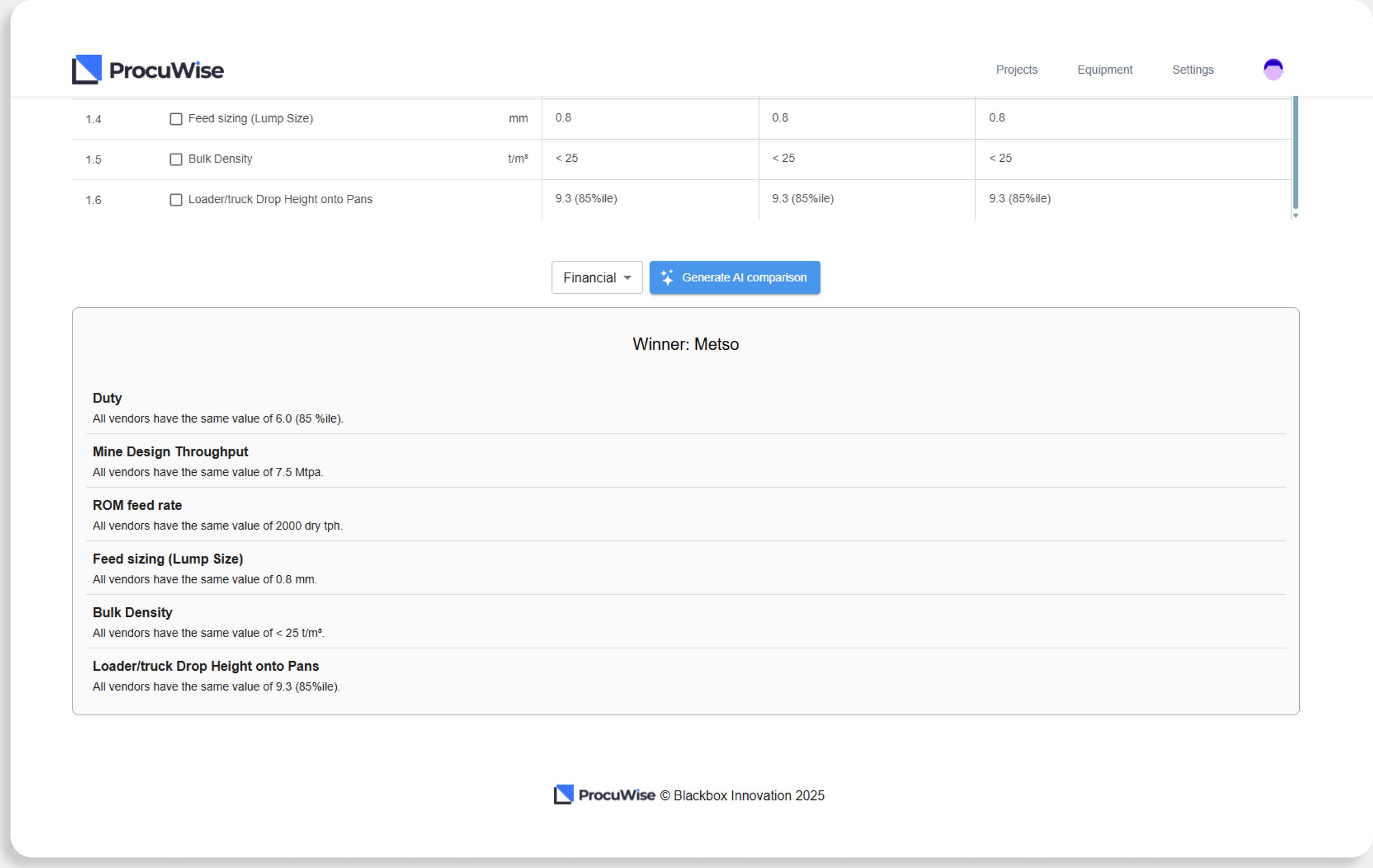
- 01One recommendation, stated plainly
- 02Reasoning for every criterion compared
- 03The vendor table stays open above it
- 04AI supports the decision; the data remains visible
Fig. 04AI-assisted vendor comparison.
05
What the design enabled
ProcuWise turned a spreadsheet-heavy procurement process into a structured product experience where projects, vendor responses and technical comparisons could live in one place.
The final design established reusable patterns for data-heavy workflows and introduced an AI-assisted comparison that keeps its reasoning connected to the underlying vendor information.
The product was delivered for development, so I don't have reliable post-launch usage metrics to measure its impact in practice.